Planning a funeral during one of life’s most difficult moments can feel overwhelming, especially when financial concerns add stress to an already emotional time. The good news is that organizing an affordable funeral doesn’t mean compromising on creating a meaningful farewell for your loved one.
With careful planning, understanding of your consumer rights, and strategic decision-making, you can orchestrate a dignified funeral ceremony that honors your loved one’s memory without breaking your budget. This guide will walk you through practical strategies to reduce funeral costs while maintaining the respect and remembrance your family deserves.
Understanding Your Rights as a Consumer
Before diving into specific cost-saving strategies, it’s essential to understand your rights under federal law. The Federal Trade Commission’s Funeral Rule serves as your foundation for making informed, budget-conscious decisions when planning affordable funeral services. For comprehensive guidance on how to choose a funeral home that respects your rights and budget, it’s important to understand these protections from the start.
The Funeral Rule Protects Your Budget
This federal law mandates that funeral directors provide you with itemized pricing upon request. This provision empowers you to customize your funeral services, enabling you to pay only for what you need and want. The Federal Trade Commission’s Funeral Rule was established in 1984 to protect consumers from unscrupulous selling practices and ensures clear guidelines for funeral homes. Key protections under the Funeral Rule include:
- Transparent pricing requirements for all goods and services
- Right to refuse unwanted services without penalty
- General price list access during your initial visit
- Written statements of goods and services selected
Funeral directors must give you a general price list when you visit their facility. They cannot require you to purchase items or services you don’t want, with few exceptions. This transparency allows you to compare funeral home prices and make decisions that align with your budget.
Your Right to Choose
The Funeral Rule also protects your right to choose where to purchase funeral goods. You can buy caskets, urns, or other funeral merchandise from third-party vendors, and funeral homes cannot charge you a handling fee for items you provide.
This flexibility opens up significant opportunities for funeral cost savings, as funeral home markups on merchandise can be substantial. Many families save thousands by purchasing caskets online or from independent retailers.
Exploring Funeral Service Package Options
Understanding different service packages helps you identify which elements are essential for your family and which you might be able to modify or eliminate to reduce costs. Most funeral homes offer several package tiers designed to meet various budget requirements and family preferences.
Direct Burial or Cremation Services
The most budget-friendly option is direct burial or direct cremation. This basic funeral service package encompasses essential services such as filing necessary paperwork, transportation of the deceased, and basic preparation without embalming. Benefits of direct services include:
- Elimination of embalming costs, which can range from $500 to $800.
- No viewing or visitation expenses, reducing facility fees.
- Simplified logistics requiring fewer vendor coordinations.
- Immediate disposition allowing for separate memorial planning.
Direct burial eliminates costs associated with embalming, viewing, and formal ceremonies. Direct cremation similarly bypasses these traditional elements while providing a simple, dignified disposition of remains.
Traditional Funeral Services
Traditional funeral services expand on basic packages by incorporating embalming, preparation for viewing, use of funeral home facilities, and coordination of ceremony elements. Traditional services typically include:
- Embalming and body preparation for viewing.
- Funeral home facility used for visitation and ceremony.
- Professional service coordination for all vendors.
- Transportation services, including hearse rental.
While more expensive than direct services, traditional funerals can still be budget-friendly when you carefully select only the services you truly want. You might choose a brief viewing period instead of extended visitation hours, or opt for a graveside service instead of a full chapel ceremony.
Memorial Services as Cost-Effective Alternatives
Memorial services, held after burial or cremation has already taken place, offer flexibility in timing and venue selection. These services can be held at community centers, religious facilities, or even family homes, significantly reducing facility costs. Memorial service advantages include:
- Flexible scheduling allows time for planning and saving.
- Venue variety includes homes, parks, and community centers.
- Reduced time pressure for decision-making.
- Focus on celebration rather than immediate logistics.
Memorial services also allow more time for planning, which can lead to better pricing on flowers, catering, and other elements. According to current funeral industry data, cremation rates are projected to reach 61.9% in 2024, making memorial services an increasingly popular and cost-effective choice for families.
Strategic Casket Selection for Budget-Conscious Families
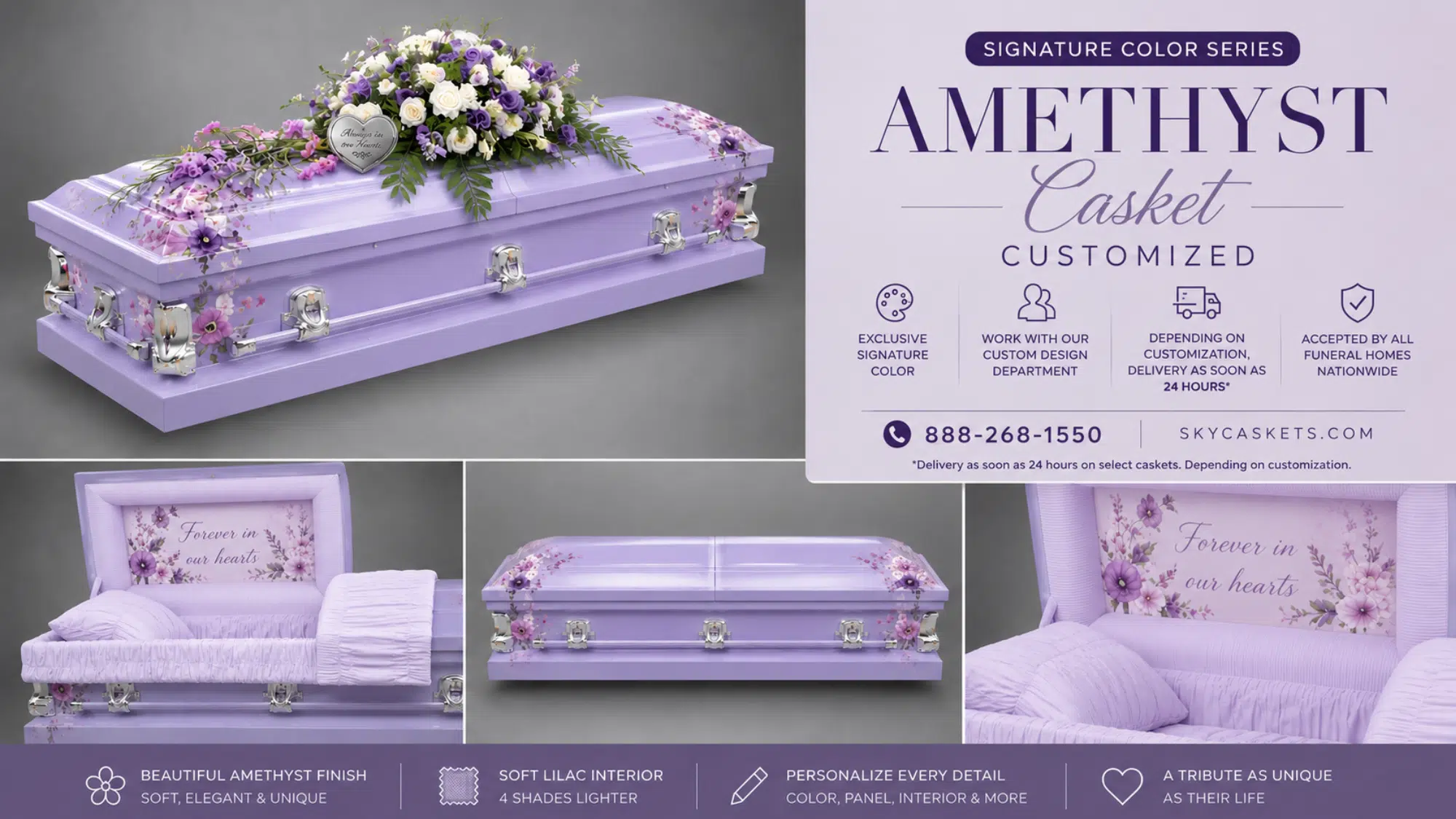
Caskets often represent the largest single expense in funeral planning, but understanding your options can lead to substantial savings without sacrificing dignity. According to the National Funeral Directors Association, the average cost of a casket ranges from $2,000 to $10,000, making informed selection crucial for budget management. When exploring affordable wooden caskets or metal options, it’s important to understand the materials and features that provide the best value.
Wood Casket Options
Wooden caskets offer a range of price points to fit different budgets while providing natural beauty and traditional appeal. Wood casket materials include:
- Cloth-covered plywood or pressboard offers the most economical option.
- Pine and poplar provide solid wood at moderate prices.
- Oak, maple, and cherry deliver premium hardwood quality.
- Mahogany and walnut represent luxury wood selections.
Cloth-covered plywood or pressboard caskets provide the most economical option while still maintaining a respectful appearance. Solid wood caskets made from pine or poplar offer durability at moderate prices. These woods can be stained or painted to achieve the desired aesthetics without the premium cost of hardwood options.
For families seeking upgraded wood caskets, oak, maple, and cherry provide beautiful grain patterns and enhanced durability. However, prices increase significantly with wood quality and craftsmanship details.
Metal Casket Considerations
Steel caskets, particularly those made from 20-gauge steel, offer durability at reasonable prices. These caskets often feature protective finishes and can include gasket seals for families who prefer this option. Metal casket types include:
- 20-gauge steel provides standard protection at budget-friendly prices.
- 18-gauge steel offers enhanced durability with a moderate cost increase.
- Stainless steel delivers premium protection with a higher investment.
- Bronze and copper represent the ultimate in metal casket luxury.
Stainless steel and higher-gauge steel caskets command premium prices but offer enhanced longevity. Consider whether these features align with your family’s values and budget priorities.
Bronze and copper caskets represent the highest-end metal options. While beautiful, these materials significantly increase costs and may not be necessary for achieving a meaningful tribute.
Personalizing Your Tribute Within Budget Constraints
Creating a meaningful funeral doesn’t require expensive add-ons. Personal touches often carry more emotional impact than costly upgrades, and many of the most memorable funeral elements come from the heart rather than the wallet.
DIY Memorial Elements
Family members can create photo displays, memory boards, or video tributes using personal computers and smartphones. These heartfelt presentations often resonate more deeply than professionally produced materials. DIY options include:
- Digital photo slideshows using free software or smartphone apps.
- Memory boards featuring favorite photos and mementos.
- Guest book alternatives like memory trees or photo displays.
- Program design using online templates and home printing.
Homemade programs, prayer cards, or memory books allow family involvement while reducing printing costs. Many families find the process of creating these items together therapeutic during the grieving process.
Meaningful Music and Readings
Instead of hiring professional musicians, consider asking talented family members or friends to provide music. Recorded music through sound systems offers another cost-effective option. Music and reading alternatives include:
- Family member performances showcase personal connections.
- Recorded music playlists featuring the deceased’s favorites.
- Personal readings from family and friends.
- Poetry and literature selections are meaningful to your loved one.
Personal readings, poems, or stories shared by family members create intimate moments that professional speakers cannot replicate. These personal touches often become the most memorable parts of the service.
Flower Alternatives and Budget-Friendly Arrangements
Seasonal flowers cost less than out-of-season varieties. Local flowers often provide better value than exotic options shipped from distant locations. Cost-effective floral strategies include:
- Seasonal bloom selection for natural cost savings.
- Local flower sourcing reduces transportation costs.
- DIY arrangements using grocery store or garden flowers.
- Living plants serving as lasting memorials.
Consider asking family members to bring small arrangements instead of purchasing large displays. This approach distributes costs while creating a garden-like atmosphere.
Plants that families can take home after the service serve dual purposes as both funeral decorations and living memorials.
Venue Selection for Maximum Value
The location of your funeral service significantly impacts overall costs, and exploring alternatives to traditional funeral home chapels can yield substantial savings. Venue costs can range from free to several thousand dollars, making smart selection crucial for budget management.
Religious Facilities and Community Centers
Many religious organizations offer their facilities at reduced rates for members’ funeral services. Even non-members often find reasonable rental fees for these meaningful spaces. Religious and community venue benefits include:
- Reduced rental rates for members and community supporters.
- Kitchen facilities for post-service gatherings are included.
- Parking availability eliminates additional transportation needs.
- Sound systems are often included in rental agreements.
Community centers, VFW halls, and similar venues provide affordable alternatives while accommodating larger groups. These spaces often include kitchen facilities for post-service gatherings.
Outdoor Services and Graveside Ceremonies
Weather permitting, outdoor services eliminate facility rental fees entirely. Parks, family properties, or cemetery grounds can provide beautiful, natural settings for meaningful ceremonies. Outdoor service advantages include:
- No facility rental costs provide immediate savings.
- Natural beauty creates memorable settings.
- Flexible timing without venue scheduling constraints.
- Intimate atmosphere encouraging personal connections.
Graveside services streamline logistics while reducing costs associated with multiple locations and transportation coordination.
Home-Based Memorial Services
Hosting a memorial service at home creates an intimate atmosphere while eliminating venue costs. This option works particularly well for smaller gatherings focused on sharing memories and stories. Home service benefits include:
- Zero venue costs, maximizing budget allocation elsewhere.
- Personal environment filled with meaningful memories.
- Flexible timing accommodating family schedules.
- Intimate setting encouraging open sharing and support.
Transportation and Logistics Cost Management
Transportation represents another area where strategic planning can reduce funeral expenses without compromising the dignity of the service. Traditional funeral transportation can add $1,000 or more to overall costs.
Hearse and Vehicle Considerations
While traditional hearses provide formal transportation, families can often arrange for more economical alternatives. Some funeral homes offer van services at reduced rates. Transportation alternatives include:
- Standard funeral home vehicles at reduced rates.
- Family-provided transportation eliminates rental fees entirely.
- Simplified logistics, reducing multiple vehicle needs.
- Direct service coordination streamlines movement requirements.
For direct burial or cremation services, standard vehicles may suffice for transportation needs, eliminating hearse rental fees entirely.
Family Transportation Coordination
Instead of hiring multiple limousines, families can coordinate carpooling arrangements. This approach often feels more personal while significantly reducing transportation costs. Family coordination strategies include:
- Carpooling arrangements among family members.
- Designated drivers allow others to focus on emotional support.
- Public transportation is available when venues are accessible.
- Walking arrangements for nearby venues.
Designating family members as drivers allows others to focus on emotional support rather than logistics.
Working with Funeral Directors on Budget Planning
Open communication with funeral directors about your budget constraints often leads to creative solutions and cost-saving recommendations. Professional funeral directors understand financial limitations and can offer guidance to families seeking affordable funeral options. For detailed insights on effective collaboration, consider reading about working with funeral directors to ensure you get the best value for your funeral planning needs.
Requesting Itemized Pricing
Always request detailed, itemized pricing for all services and merchandise. This transparency allows you to identify areas where modifications could reduce costs. Essential pricing discussions should cover:
- Professional service fees for director coordination.
- Facility usage charges, including preparation and ceremony rooms.
- Transportation costs for all vehicle services.
- Merchandise pricing for caskets, urns, and other items.
Don’t hesitate to ask about less expensive alternatives for any item or service. Funeral directors familiar with budget constraints often have suggestions not immediately apparent to families.
Negotiating Payment Plans
Many funeral homes offer payment plans or financing options for families facing financial hardship. These arrangements can make funeral costs more manageable without requiring immediate full payment. Payment arrangement options include:
- Interest-free payment plans spread costs over several months.
- Third-party financing through specialized funeral loan companies.
- Insurance assignment using life insurance proceeds directly.
- Pre-need payment plans for future funeral arrangements.
Some funeral homes provide discounts for cash payments or prompt payment, making it worthwhile to explore various payment options.
Timing Considerations for Cost Savings
The timing of your funeral service can impact overall costs, particularly for flowers, venues, and other variable-cost elements. Strategic timing can provide meaningful savings without compromising service quality.
Weekday vs Weekend Services
Weekend services often command premium pricing for venues, flowers, and other vendors. Weekday services frequently offer better value while still allowing family and friends to attend. Timing considerations include:
- Weekday venue discounts offering significant facility savings.
- Vendor availability improves service quality and reduces rush charges.
- Flower pricing with weekday deliveries often costs less.
- Transportation savings from avoiding weekend premium rates.
Morning services sometimes cost less than afternoon or evening ceremonies, particularly for venue rentals and catering.
Seasonal Considerations
Certain times of year offer better pricing for flowers and venues. Spring and summer services may benefit from garden flowers and outdoor venue options. Seasonal factors include:
- Flower availability affects both selection and pricing.
- Weather considerations enabling outdoor service options.
- Venue demand varies throughout the year.
- Holiday impact on vendor availability and pricing.
Holiday periods often increase costs due to vendor demand, making other times of year more budget-friendly for funeral planning.
Creating Lasting Memories Within Your Budget
The most meaningful funeral tributes often come from the heart rather than the wallet. Focus on elements that truly celebrate your loved one’s life and bring comfort to your family.
Remember that the simplicity of a service doesn’t diminish its significance. Some of the most touching funeral ceremonies are also the most modest in terms of cost. For comprehensive guidance on all aspects of funeral planning, our detailed funeral planning checklist can help you organize every detail while staying within budget.
By understanding your options, exercising your consumer rights, and focusing on what truly matters to your family, you can create a beautiful, meaningful tribute that honors your loved one’s memory while respecting your financial limitations. When selecting a casket as part of your budget-friendly approach, browse our selection of quality caskets to find options that combine affordability with dignity and timely delivery to funeral homes nationwide.
The goal is not to spend the most money possible, but to create a ceremony that reflects your loved one’s life and provides comfort to those who are grieving. With careful planning and thoughtful decision-making, you can achieve both meaningful remembrance and financial responsibility.