When loss strikes unexpectedly, you find yourself thrust into unfamiliar territory where grief meets the pressing need for funeral arrangements. The weight of planning a meaningful service while managing overwhelming emotions can feel insurmountable, especially when you’re navigating this responsibility alone.
Understanding how to plan a funeral service becomes essential during this emotional time, yet many families discover they lack the knowledge to make informed decisions. Funeral directors may present options without clear explanations, leaving you uncertain about which path honors your loved one appropriately while respecting your financial circumstances.
The modern funeral landscape offers far more flexibility than traditional services alone. From intimate memorial gatherings to vibrant celebrations of life, today’s funeral planning allows families to craft ceremonies that genuinely reflect their loved one’s personality and values. These personalized approaches often prove more meaningful than conventional formats while frequently reducing funeral costs.
Your desire to create a dignified farewell without financial strain is both reasonable and achievable. Smart funeral planning involves understanding different service formats, incorporating personal touches that celebrate your loved one’s unique story, and navigating practical considerations with confidence.
Gathering Family Input for Service Planning
The foundation of meaningful funeral planning begins with collecting the heartfelt perspectives of those who knew your loved one best. Understanding how to choose a funeral home that aligns with your family’s values becomes much easier when you’ve first established what those preferences truly are. Family members and close friends possess invaluable insights that can transform a standard funeral service into a deeply personal tribute. Their collective memories, stories, and understanding of your loved one’s character will guide every subsequent decision in your funeral arrangements.
This collaborative approach not only honors your loved one’s memory more completely but also provides emotional support during this difficult time. When family members contribute their thoughts and recollections, the planning process becomes less burdensome for any single person while ensuring that no meaningful detail is overlooked.
Start by documenting your loved one’s preferences and wishes. Create a comprehensive record that serves as the blueprint for all funeral planning decisions. This documentation process requires careful attention to both explicit wishes they may have expressed and the subtle preferences revealed through their lifestyle choices.
Essential details to document include:
- Musical selections: Note specific songs or instrumental pieces that held significance in their life
- Color preferences: Document favorite colors for floral arrangements and overall service aesthetics
- Hobby representations: Identify meaningful activities that could be incorporated into the service design
- Literary connections: Record favorite books, poems, or quotes for readings or programs
- Spiritual considerations: Note religious or philosophical beliefs that should guide the service structure
- Social preferences: Consider whether they preferred intimate gatherings or larger celebrations
Having these preferences clearly recorded ensures that the funeral director can better assist you in creating arrangements that honor your loved one’s memory authentically. Begin this process by gathering family members for a planning conversation within the first few days after loss occurs.
Making Core Funeral Service Decisions
The choice between burial and cremation represents the most significant decision in funeral planning, as it influences all subsequent arrangements and funeral costs. This fundamental choice affects everything from the selection of funeral goods to the type of ceremony you will hold. For a detailed comparison of these options, consider reviewing cremation vs burial explained to help guide your decision-making process. Understanding state laws regarding both options ensures compliance while honoring your family’s preferences and any pre planning decisions your loved one may have made.
Selecting Your Service Format
The service format decision requires careful consideration of your family’s needs, cultural traditions, and your loved one’s personality. Different service options include:
- Traditional funeral services: Typically include a viewing period, formal ceremony, and graveside service at the burial plot
- Memorial services: Held after burial or cremation, these focus on celebration and remembrance without the physical presence of the deceased
- Life celebration services: Emphasize joyful remembrance and incorporate personalized elements that reflect individual character and accomplishments
Your choice should align with both practical considerations such as life insurance policy coverage and emotional needs of family members. Consider factors such as travel requirements for distant relatives, venue availability, and the overall tone that best honors your loved one’s memory.
Working with Funeral Homes
Once you determine burial or cremation, selecting an appropriate funeral home becomes your next priority. The funeral home will coordinate transportation of the deceased, provide guidance on available options, and assist with obtaining necessary permits and documentation. They will also present choices for caskets, urns, outer burial containers, and other funeral goods required for your chosen service type.
Most people find that involving the deceased’s wishes in these decisions provides clarity during this emotional time. State laws require certain procedures, but families retain significant control over how their loved one’s farewell unfolds.
Creating Personalized Memorial Experiences
Transforming a standard funeral service into a deeply personal tribute requires thoughtful incorporation of elements that authentically reflect your loved one’s character, passions, and relationships. When you plan a funeral service with personalization at its core, you create lasting comfort for mourners while celebrating the unique legacy of the person being honored.
Essential Personalization Elements
The most impactful personalized funeral services incorporate multiple layers of meaningful details that work together to tell the story of a life well-lived. Consider these core personalization elements:
- Curated photo displays: Arrange chronological collections showcasing different life phases, relationships, and achievements throughout their journey
- Meaningful music selections: Choose songs that held personal significance, whether favorite artists, wedding songs, or pieces that defined important moments
- Personal artifact displays: Include cherished belongings, awards, hobby-related items, or tools of their trade that defined their passions
- Interactive memory sharing: Create opportunities for attendees to contribute stories, sign memory books, or participate in tribute activities
- Custom ritual development: Design unique ceremonies that reflect their beliefs, traditions, or personal philosophies about life and legacy
Budget-Friendly Personalization Options
Creating meaningful personalization does not require expensive additions to your funeral costs, as the most powerful tributes often stem from heartfelt creativity rather than elaborate expenditures. Simple personal touches like displaying favorite books, incorporating meaningful colors into floral arrangements, or playing beloved music can transform the atmosphere without straining your budget.
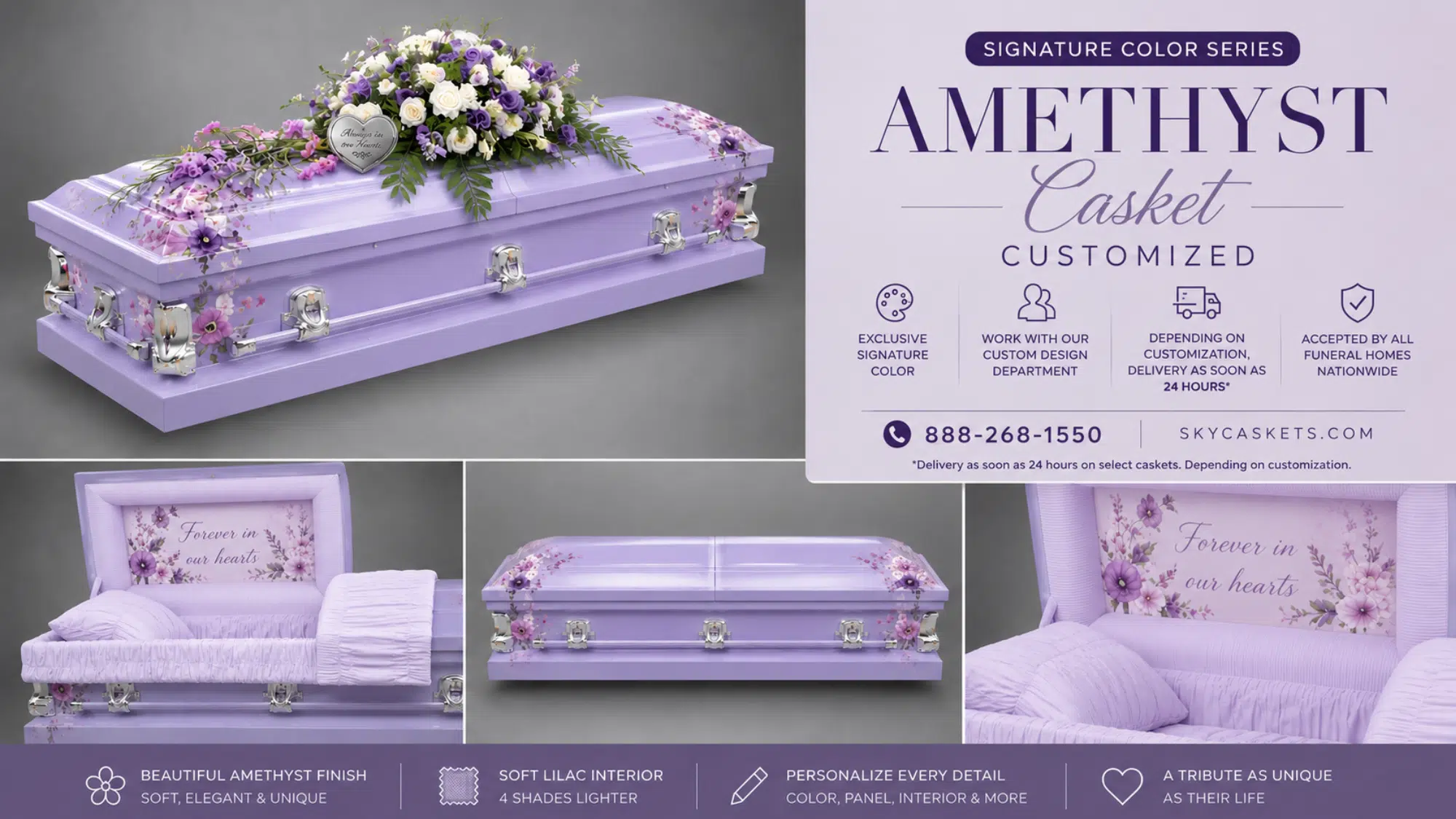
Consider exploring custom casket options that allow you to add personal touches while maintaining affordability. Focus on personalization elements that complement rather than overwhelm the traditional structure of funeral services while staying true to your loved one’s authentic character and values.
Managing Funeral Service Costs Effectively
Strategic cost management allows you to create a dignified memorial service while preserving your financial stability during this emotional time. According to the National Funeral Directors Association, the median cost of a funeral with burial is $8,300, though costs can range significantly based on location and services selected. Thoughtful planning and informed decision-making can substantially reduce these expenses without compromising the quality of your loved one’s farewell. For detailed insights into pricing, review our comprehensive guide on understanding funeral costs for complete breakdown and saving strategies.
Comparing Providers and Pricing Options
Different funeral homes offer varying pricing structures and package deals that can significantly impact your total funeral costs. You should request detailed price lists from multiple providers to compare costs for essential services such as transportation, preparation, facility use, and staff assistance. Under the Federal Trade Commission’s Funeral Rule, funeral directors must provide itemized pricing for all funeral goods and services, allowing you to select only those elements that align with your budget and preferences.
Alternative Venue and Service Options
Traditional funeral homes represent just one option for hosting your memorial service. Alternative venues often provide substantial savings:
- Community centers: Often charge significantly less than funeral home facilities while offering flexibility for customization
- Religious facilities: Many congregations provide spaces for memorial services at reduced rates for members and community families
- Family homes or outdoor locations: Allow you to incorporate personal touches that reflect your loved one’s interests and personality
- Direct cremation options: Eliminate embalming, viewing, and elaborate casket requirements while still allowing for meaningful memorial services
When selecting funeral goods, consider purchasing affordable caskets directly from specialty providers rather than exclusively through funeral homes, as this can result in significant cost savings. Involving family members in both planning and financial responsibilities can ease the burden on any single person while ensuring that everyone feels included in honoring your loved one. Establish clear communication about contributions to maintain transparency during this emotional time.
Selecting Qualified Funeral Service Professionals
How to vet and choose funeral service providers becomes critical to ensuring your loved one receives dignified care while your family’s needs remain the central focus. Professional funeral service providers possess extensive knowledge of state laws, industry regulations, and logistical requirements that can streamline your arrangements during this emotional time.
Thorough research of potential funeral service providers protects your family from substandard service during a vulnerable period when clear thinking may prove challenging. Licensed funeral directors must meet specific educational and professional requirements established by state regulatory boards, and verifying these credentials provides assurance of competency.
Key evaluation criteria for funeral service providers include:
- Online reviews and testimonials: Pay particular attention to comments about transparency in pricing, responsiveness during planning, and follow-through on arrangements
- Professional licensing verification: Confirm current credentials through state regulatory agencies
- Itemized pricing transparency: Under federal law, funeral homes must provide detailed price lists for all goods and services
- Contract clarity: Detailed service contracts should specify delivery dates, payment schedules, and cancellation policies
Communicating Your Family’s Needs
The relationship you build with your funeral director directly impacts both the quality of service you receive and your ability to stay focused on honoring your loved one’s memory. Experienced professionals understand the delicate balance between providing guidance and respecting family autonomy in decision-making.
Effective communication about cultural traditions, religious requirements, and personal preferences ensures that your memorial service authentically honors your loved one’s beliefs and values. Share biographical information about their personality, interests, military service, or professional achievements that might influence service planning.
This information enables providers to offer suggestions that align with your loved one’s character while respecting your family’s preferences and helping you feel comfortable with all arrangements.
Traditional Funeral Service Options
Traditional funeral services provide structure and comfort through familiar rituals and ceremonial elements that have offered solace to grieving families for generations. These services typically follow established protocols that include viewing periods, formal ceremonies, and burial services that honor both cultural traditions and personal beliefs.
Religious funeral services incorporate specific prayers, hymns, and readings that align with denominational beliefs while offering comfort to family members who find strength in their faith traditions. The funeral home coordinates with religious leaders to ensure proper observance of customs regarding preparation, casket selection, and burial arrangements according to doctrinal requirements.
Traditional services often include these key components:
- Visitation or wake: Provides time for family members and friends to pay respects and offer condolences
- Formal funeral ceremony: Features eulogies, readings, music, and religious or cultural rituals
- Graveside service: Concludes with final prayers or words at the cemetery or burial plot
- Reception gathering: Allows attendees to share memories and provide support to the grieving family
These established formats provide predictable structure that can ease decision-making stress during grief while honoring both spiritual beliefs and personal memory. Traditional ceremonies work particularly well for families who value religious customs or appreciate the comfort found in time-honored practices.
Contemporary Memorial and Celebration Options
Contemporary memorial gatherings eliminate time constraints and formal protocols, allowing families to create flexible ceremonies that prioritize personal connection and shared remembrance. These events may occur weeks or months after burial or cremation, providing time for thoughtful planning and enabling distant family members to participate without rushing funeral arrangements. Consider exploring different types of funeral ceremonies to understand all available options for your family.
Celebration of life services emphasize joyful remembrance over mourning, focusing on achievements, relationships, and positive impact rather than loss and grief. These events encourage active participation from attendees through storytelling, music sharing, and interactive displays that showcase the deceased’s personality and accomplishments.
Modern memorial options include:
- Memorial gatherings: Flexible timing allows for personalized planning without traditional constraints
- Celebration of life events: Focus on positive memories through interactive activities and shared stories
- Tribute ceremonies: Highlight specific achievements, hobbies, or passions that defined the person’s character
- Memory sharing sessions: Encourage attendees to contribute stories, photos, or meaningful remembrances
The focus shifts from traditional funeral elements toward creating experiences that help attendees process loss while celebrating the continuing influence of their loved one’s legacy. These contemporary approaches work well for families seeking personalized tributes that reflect modern values and individual personalities, and they can incorporate premium wooden caskets or other meaningful elements that honor the deceased’s memory.
Honoring Life Through Meaningful Farewell Choices
Planning a funeral service represents more than a logistical challenge. It is a profound opportunity to celebrate and commemorate a unique life journey. Each decision, from service format to personalization elements, becomes a testament to the individual’s legacy, reflecting their personality, values, and the relationships that defined their existence.
By approaching funeral planning with compassion, creativity, and intentionality, families can transform a moment of loss into a powerful experience of remembrance and healing. The modern landscape of funeral services offers unprecedented flexibility, allowing families to move beyond traditional constraints and design tributes that genuinely capture their loved one’s essence.
Whether choosing a classic religious ceremony, an intimate memorial gathering, or a vibrant celebration of life, the key lies in creating an authentic experience that resonates with the deceased’s spirit and provides comfort to those who mourn. This personalized approach acknowledges that every life is distinctive and deserves a farewell as unique as the individual being honored.
Essential Steps for Meaningful Planning
As you move forward with funeral planning, remember these key considerations that will guide you toward creating a truly meaningful tribute:
- Honor authentic preferences: Focus on choices that reflect your loved one’s genuine character and values
- Balance tradition with personalization: Combine familiar elements with unique touches that tell their story
- Prioritize family healing: Select options that support collective grieving and celebration
- Stay within financial comfort: Choose meaningful elements that align with your budget constraints
Ultimately, meaningful funeral planning transcends practical arrangements. It is an act of love, respect, and profound connection that creates lasting comfort for those who gather to remember a life well-lived.