Delivering a eulogy is both a profound honor and a deeply emotional task. It’s a chance to reflect on the life of a loved one, celebrate their unique journey, and share the impact they had on others. Through your words, you can honor their memory while providing comfort and connection to those who are grieving. A well-prepared eulogy can bring people together, reminding everyone of the love and bond they shared with the departed.
Writing and delivering a eulogy can feel overwhelming, especially given the weight of the occasion. Eulogy writing is a deeply personal and creative process aimed at paying tribute to a loved one. Start by remembering that the most important aspect of a eulogy is authenticity. Speak from the heart, focusing on personal stories, meaningful anecdotes, and the qualities that made your loved one special. This authenticity will resonate with the audience and help them feel connected to your words.
As you prepare, consider the diverse group of people who may be attending the service. Highlight moments that reflect the individual’s relationships, passions, and values, ensuring your words are inclusive and sensitive to the audience. Pay attention to any cultural or personal traditions that should be acknowledged. A thoughtful, heartfelt eulogy not only honors the deceased but also celebrates the shared experiences that define their legacy, offering a sense of solace to everyone present.
What Is a Eulogy for a Funeral or Memorial Service?
A eulogy is a speech delivered in memory of someone who has passed away. Typically entrusted to a family member, close friend, or colleague, it serves as a moment to honor the deceased, celebrate their life, and convey how much they meant to those around them. The tone of a eulogy can range from formal and reflective to warm and humorous, depending on the personality of the loved one and the needs of the gathering. Eulogies are an integral part of the funeral service, reflecting the emotional significance and the importance of timing within the overall structure of the event.
Eulogies often include key life details, such as:
- The Full Name of the departed.
- Birthplace and Dates: Share when and where their story began.
- Family Members: Mention immediate family, including spouses, children, parents, and siblings, adding extended family if relevant.
- Life Milestones: Highlight important moments like education, military service, career achievements, personal hobbies, or community involvement.
If you’re delivering the single eulogy for the service, aim to offer a comprehensive narrative. However, if multiple eulogies are being delivered, focusing on a particular aspect of the person’s life or your unique connection to them may be more appropriate.
Making a Eulogy Personal and Special with Personal Stories
An Eulogy is more than delivering the summary of the person’s life. It should celebrate and commemorate the value that they have added and how their life has inspired others. So how do you write a meaningful eulogy that is special?
Adding personal stories of your experience with the loved one and sharing about what you loved most can add the warmth and depth a eulogy should have. When you are considering how to write a eulogy speech that properly honors the loved one, consider adding these details:
What to Include:
- Hobbies and Interests: Highlight their passions, from gardening to painting, and share any funny or touching stories related to them.
- Memorable Adventures: Recount trips, special events, or defining moments in the person’s life that highlight their unique character.
- Favorite Activities: Reflect on how they loved to spend their days—whether it was enjoying quiet mornings with a coffee, volunteering, or cooking for family gatherings.
- Kindness and Generosity: Share specific ways they showed love, helped others, or positively impacted their community.
- Sacrifices: If applicable, honor the ways they put others before themselves or overcame challenges with resilience.
- Family Life: Mention key aspects of their family life, including the names of close family members, to create a more personalized and heartfelt tribute that resonates with attendees, particularly the bereaved family.
- Encouraging Words: Include messages of love, lessons they taught, or affirmations they would want their loved ones to hear in this moment.
Example:
“I’ll never forget how Karen loved her garden. Each summer, she’d spend hours tending to her flowers, talking to them as if they were friends. That was Karen – she had a way of making everything and everyone flourish around her.”
Writing a eulogy is not just about reflecting on the past—it’s about bringing their legacy into the present. Take this moment to connect their story with the lives they’ve touched, leaving a lasting impression that inspires everyone to carry their love and spirit forward. For more inspiration and guidance, you can look at various eulogy examples to help capture the essence of your loved one.
1. Start with an Opening Statement
The opening statement sets the tone for your speech. Introduce yourself and explain your relationship to the departed. Acknowledge the family, friends, and attendees, thanking them for joining and highlighting the significance of the occasion. This introduction should be warm and sincere, helping you connect with the audience.
For example:
“Good afternoon, everyone. My name is Sarah, and I had the immense honor of being Emily’s granddaughter. She was my greatest role model, and I know that everyone here has cherished memories of her that we hold dear. Thank you all for coming together to honor her life today.”
If you feel comfortable, you can briefly mention what the person meant to you in a single line, setting an emotional foundation for the speech. For instance, you might say:
“Emily had an extraordinary way of making everyone feel valued—a gift that we are all lucky to have experienced.”
This introduction also serves as a way to calm your nerves by grounding yourself in gratitude and purpose.
2. Share Their Life and Legacy
This section is the heart of the eulogy. Offer a broad overview of the person’s milestones, achievements, and cherished relationships. Begin with their early life—where they were born, their upbringing, and any formative experiences. Then, transition to their accomplishments, passions, and the roles they played in the lives of others.
Example narrative:
“Emily was born on a crisp autumn morning in 1945 in a small town where she quickly became known for her curious mind and warm smile. She graduated with honors, having paved the way for women in engineering at a time when it was still rare. But beyond her career, her true pride was in being a wife, a mother, and a grandmother who filled every role with unmatched love and care.”
Include insights into their personality and what made them unique:
“Emily had a knack for seeing the best in everyone. Whether she was mentoring younger colleagues, comforting a friend, or simply offering her famous apple pie to a neighbor, she radiated kindness.”
Discussing their legacy helps remind the audience why this individual will be forever remembered.
3. Add Personal Stories
Personal anecdotes breathe life into a eulogy. Think of moments that illustrate the person’s character, sense of humor, values, or love for others. Whether lighthearted or emotional, these stories create a deep connection with the audience by painting a vivid picture of the departed.
For example:
“One summer, Emily took all the grandchildren camping. We were a rambunctious crowd, but she was patient and even joined us in building what turned out to be a wobbly treehouse. When it collapsed the next day, she just laughed, saying, ‘Well, that’s how we learn, isn’t it?’ That’s who she was, always finding a lesson in joy, even in imperfections.”
If appropriate, add humorous memories that convey their personality:
“Grandma Emily had a green thumb… or so she thought! Every spring, she would go on a planting spree, only for us to find plastic flowers in the garden by mid-July. She said they were practical, and we believed her!”
These moments showcase not just what the person did but how they made others feel, leaving a lasting impression of their spirit.
4. Close with Reflections or Goodbyes
End the eulogy with a heartfelt closing. This is an opportunity to reflect on what your loved one’s life has taught and to offer comfort to those present. Express gratitude for the time spent with them and a sense of hope for the future.
For example:
“Emily’s love was like a thread that wove us all together, and although she’s no longer with us, that thread remains. Her lessons of kindness, resilience, and humor will guide us as we move forward without her physical presence but always with her spirit.”
You may also include a final goodbye or a meaningful quote:
“To borrow words from Maya Angelou, ‘Your legacy is every life you’ve touched.’ Emily’s legacy is vast, and we carry it with us. Rest peacefully, dear Emily. You will always be in our hearts.”
If relevant, close with a personal message directed gently to the audience:
“Thank you all for joining us today. Together, we will continue to honor Emily by living with the love and grace she gave to us.”
Final Thoughts on Structure
By organizing your eulogy into clear, well-thought-out sections, you can ensure that it is not only heartfelt but also purposeful. If possible, practice beforehand, but also be open to speaking from the heart—it’s okay to become emotional, as it reflects the depth of your feelings. A structured eulogy is a gift of remembrance, not only for the departed but for everyone who gathers to celebrate their life.
Remembering Sensitivities
A eulogy is an opportunity to honor someone’s life, and there isn’t a right or wrong way to write one. Here are key points to keep in mind while preparing your speech:
- Stay Positive: Highlight the loved one’s virtues and impact, focusing on the good they brought into the world.
- Be Honest Yet Respectful: Strive for authenticity, but avoid embellishing stories unnecessarily.
- Avoid Controversial Topics: Leave topics that could cause distress or open old wounds out of the speech.
- Keep It Appropriate for the Audience: Tailor your anecdotes and tone to suit the sensitivities of attendees.
If the deceased had a complicated past, you could say, “While life wasn’t always easy for Maria, her ability to persevere and love unconditionally was an inspiration to all who knew her.” This acknowledges their challenges with grace and respect.
A eulogy isn’t just a speech—it’s a gift. It’s a chance to provide comfort, spark fond memories, and remind everyone of the lasting legacy the departed leaves behind. Involving close friends in the eulogy-writing process can provide valuable feedback and personal stories, enriching the speech and making it resonate more with the audience.
Addressing Cultural and Religious Traditions
Respecting the cultural or religious context of a funeral or memorial service is essential when preparing a eulogy. Various traditions have unique customs and expectations about what is appropriate to include in such speeches.
For example, some cultures may emphasize humility and shared memories, while others might focus more on spiritual reflections or achievements of the deceased. Understanding these nuances ensures that your words honor the individual and resonate with the attendees in a meaningful way.
To ensure your eulogy aligns with the expectations of the ceremony, it’s important to communicate with the family or officiant beforehand. They can provide guidance on any specific traditions or preferences to keep in mind. This collaborative approach not only helps you avoid unintentional missteps but also ensures your speech is a heartfelt and respectful contribution to the service. Being mindful of these details can make all the difference in creating a tribute that truly honors the life being celebrated.
Cremation vs. Burial
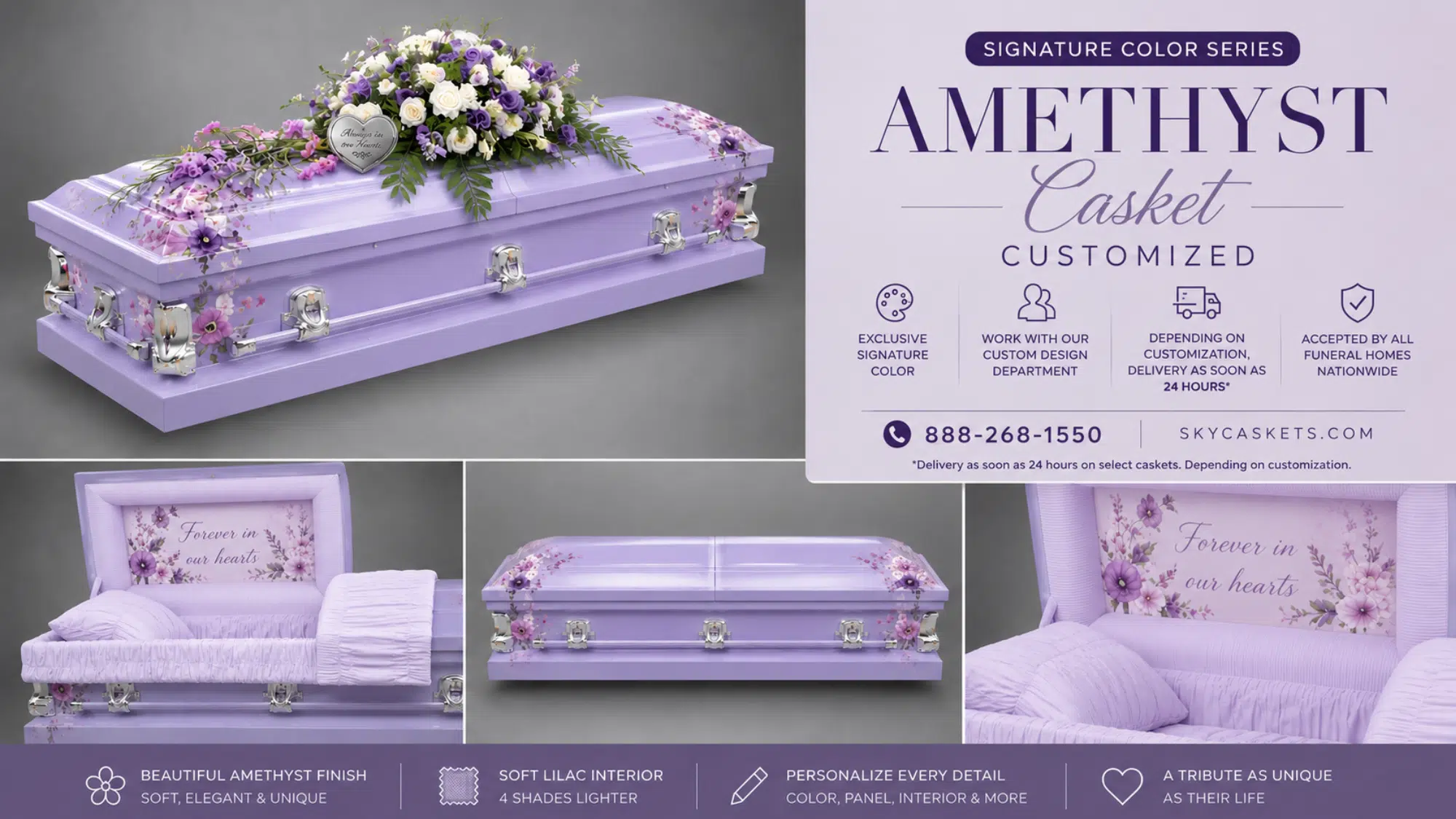
When preparing for a eulogy, understanding whether the service involves cremation or burial can help you align your tone and content with the overall ceremony. Cremation services may lean towards simpler or more personal tributes, while burial services might involve more traditional elements. Some families choose specific caskets or urns that reflect the personality or wishes of their loved one. This small yet meaningful detail can be worth acknowledging within the eulogy, as it highlights the care and thought put into the arrangements.
For those opting for burial, casket selection often becomes a deeply personal choice. Families may choose from a range of styles, from classic wooden designs to modern, eco-friendly caskets. For cremation, urns are just as varied, often chosen to reflect the deceased’s values, such as minimalist designs or ornate keepsakes.
By being mindful of these choices, your eulogy can better connect with the family’s wishes and provide a meaningful tribute that aligns with the service’s tone.
Overcoming Anxiety When Delivering the Eulogy
It’s natural to feel nervous when delivering a eulogy. The very moment is deeply emotional and holds immense significance for everyone in attendance, which can make the task feel overwhelming. But with some preparation and a focus on the heartfelt purpose of your words, you can navigate this special moment. Here are a few tips to help ease your nerves:
- Practice Aloud: Rehearse your eulogy several times, preferably in front of a mirror or with a trusted friend, to grow comfortable with your delivery and timing.
- Take Your Time: Slow down and pause if you need a moment to collect your thoughts or emotions—everyone understands the gravity of the moment, and no one expects perfection.
- Use Notes: Write down the main points or key phrases on note cards to help you stay organized and maintain a natural, conversational tone throughout.
- Breathe: Deep, steady breaths before and during your speech can help calm your nerves, steady your voice, and reduce anxiety.
Most importantly, speak from the heart. Authenticity and genuine emotion will always resonate more deeply than polished words. Remember, this is your chance to honor your loved one in a way that feels meaningful to you and those who knew them.
Honoring Their Legacy with Courage
Delivering a eulogy is an extraordinary way to celebrate the life of a loved one and provide comfort to everyone gathered in their memory. It’s a chance to honor who they were, reflect on their unique journey, and remind everyone of the joy and love they brought into the world by capturing the loved one’s personality. A well-crafted eulogy allows you to share special moments, relive cherished memories, and offer a timeless tribute to the beautiful impact they had on the lives of those around them.
For many, the process of writing and delivering a eulogy can feel overwhelming. It’s not just about finding the right words—it’s about capturing the essence of a life, weaving together stories and emotions to create a heartfelt goodbye. If you’re unsure where to begin or feel like you need more guidance, know that help and support are always available. There are resources, templates, and even professionals who can provide advice to help you navigate this emotional task.
Writing a eulogy takes courage—it’s an emotional journey that requires you to revisit meaningful memories and share them openly with others. Be gentle with yourself as you move through this process. Trust that the words you speak, no matter how simple or complex, will resonate deeply with those who hear them. By sharing these memories and reflections, you’re honoring their legacy in a way that is uniquely yours, offering a lasting tribute to a life well-lived.